Blog
Consultation Workshop with Taobuid Community on Human-Wildlife Conflict in Aruyan-Malati

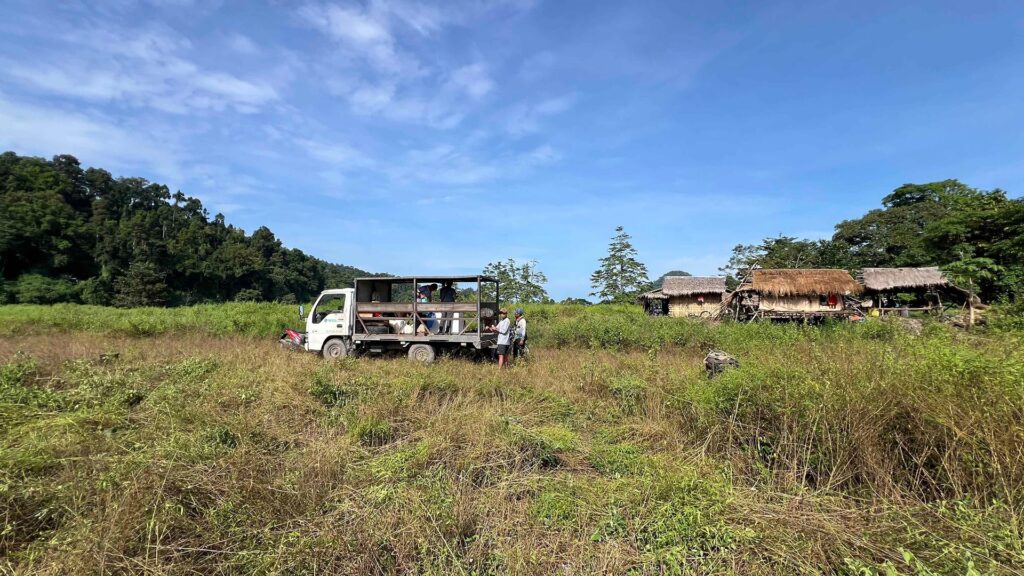
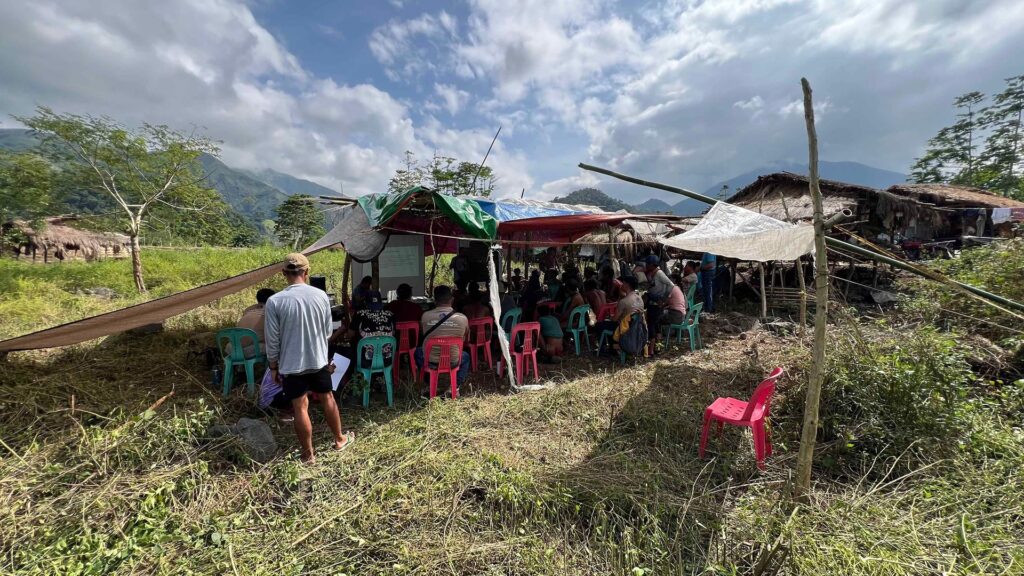
The Tamaraw Conservation Program (TCP), with support from the Thriving Together with Tamaraw Consortium, organized a consultation workshop with Indigenous Taobuid leaders in Aruyan-Malati. The activity was part of TCP’s target to address the growing concern of human-wildlife conflict (HWC) in the area, particularly crop damage caused by the critically endangered Tamaraw.
The consultation aimed to validate information previously gathered by TCP and D’ABOVILLE Foundation and Demo Farm, Inc. (DAF) during foot patrols and structured surveys led by Jackie Belmonte, DAF’s HWC field coordinator. It also served as an initial step to introduce future plans under the project and explore how Taobuid communities can be involved.
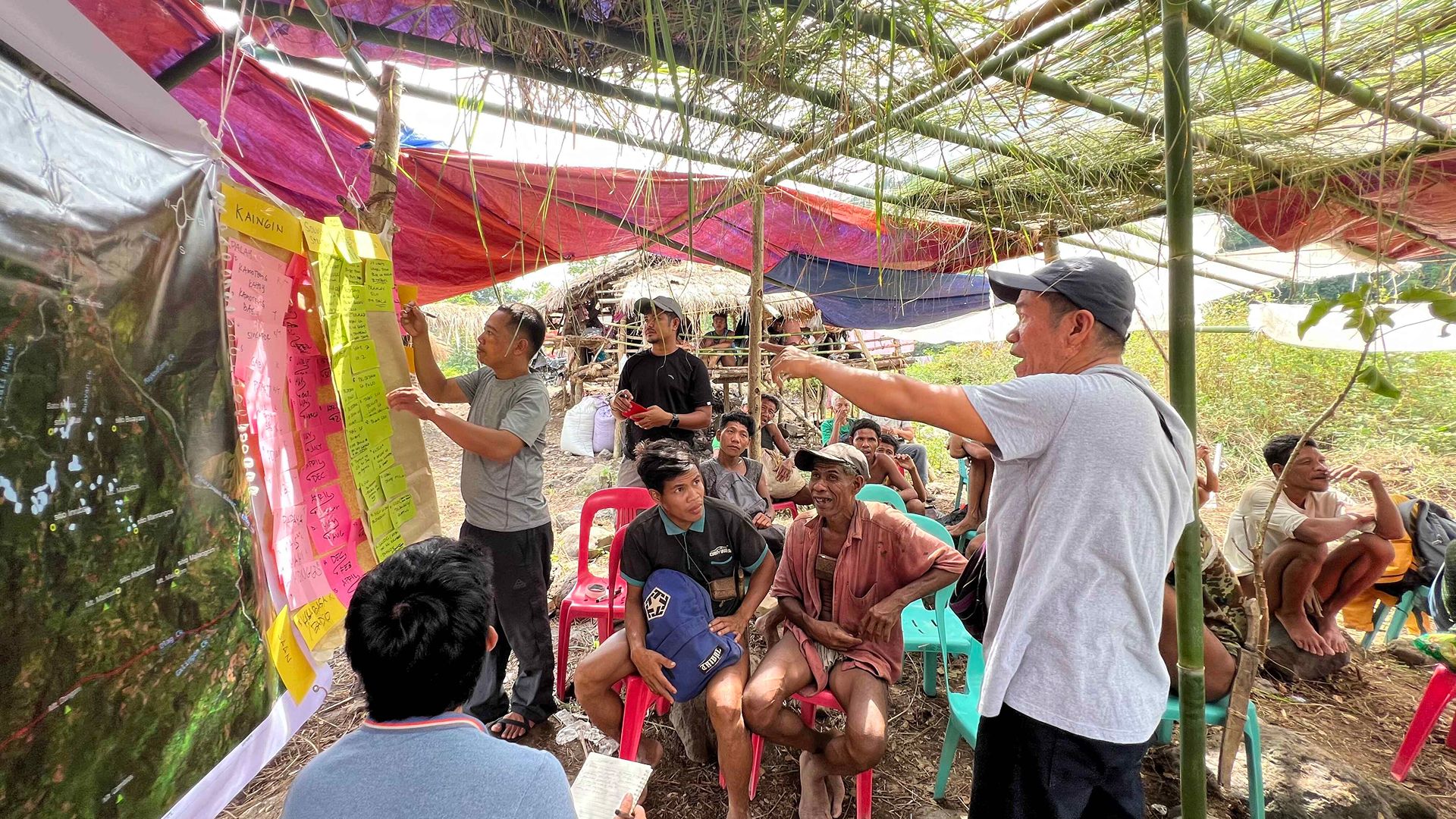
Fifteen Taobuid leaders, including tribal heads Sanggunian Bornay and Sanggunian Elmer “Legasyon” Dangupon, participated in the activity, along with representatives from MENRO Sablayan, the barangay council, and the Armed Forces of the Philippines. All presentations and discussions were translated into Fanabuid, the Taobuid’s language, to ensure full participation and understanding.
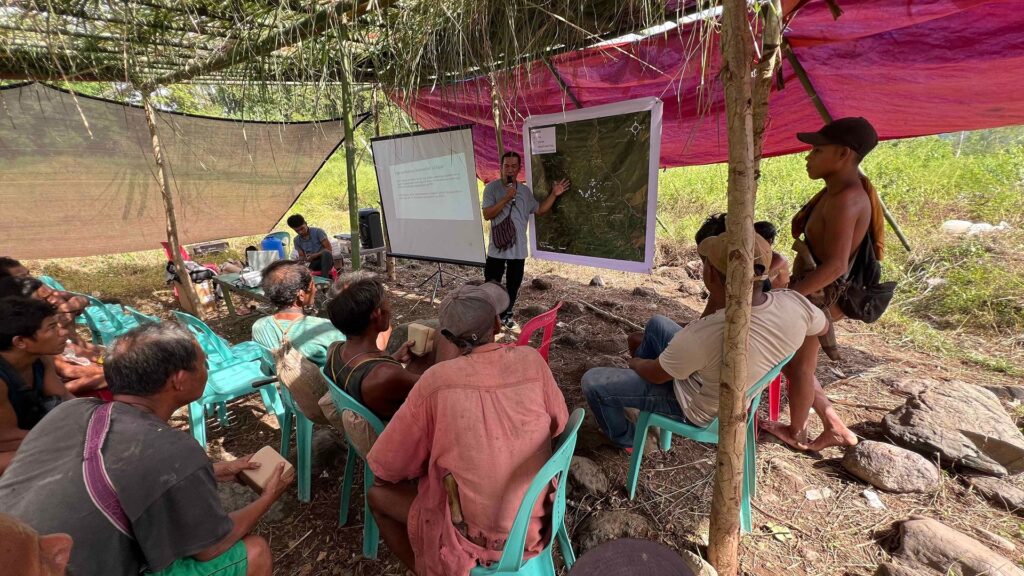
The workshop gathered detailed information on farming cycles, crop types, and the impacts of Tamaraw and other wildlife such as wild pigs, monkeys, and birds. Community members also shared the traditional strategies they use to protect their swidden farms (kaingin) and fallow lands (kalaanan), including fencing, red cloths, bar soap, and traps. These insights helped confirm and expand data gathered during previous fieldwork.
Participants from the Bornay group, who are more heavily affected by Tamaraw crop raiding, shared specific concerns and recommendations, including the need for fencing materials and better coordination with outside groups. While discussions touched on sacred areas (sagrados), elders expressed the need to handle this topic with caution and respect.
This activity reflects ongoing commitment to inclusive and culturally sensitive conservation work, ensuring that the voices of Indigenous communities are central to long-term efforts to protect the Tamaraw and its habitat.